German-Australian Playschool
German-rich early learning
A caring German-language playschool for children aged 3–5 in Canberra.
Ages
3-5 years
Attendance
2 or 4 days
Schedule
Mon/Tue + Thu/Fri
Language
Mixed-language families welcome
Rythm
Structured & play-based
Support
CCS eligible
Willkommen bei GAP
A warm, German-speaking early learning community
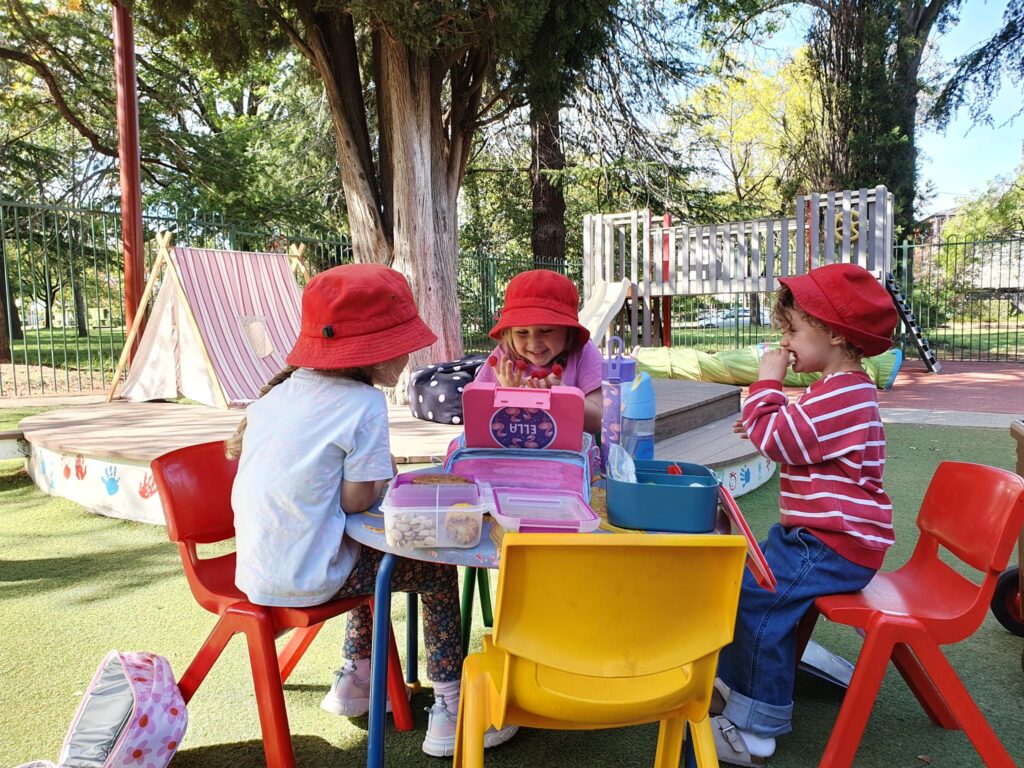
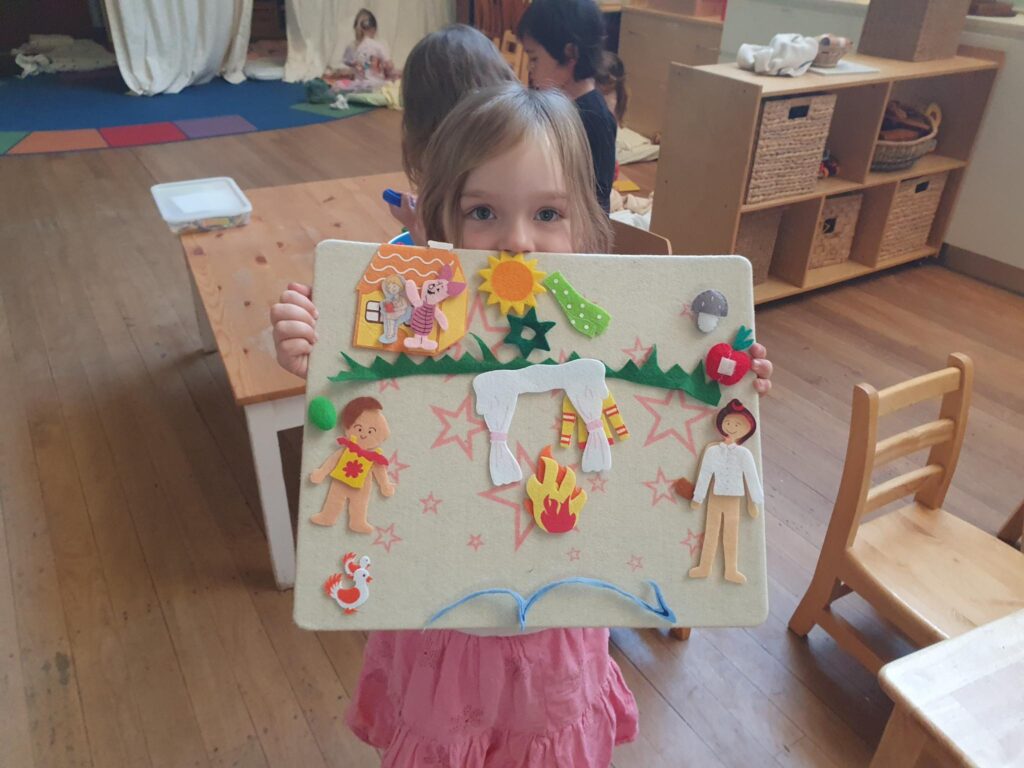
GAP combines structured early learning with the warmth of a long-running family community. Children experience German naturally throughout the day — through songs, stories, routines, outdoor play, shared meals, craft, movement and everyday interaction.
The atmosphere is intentionally calm, caring and relationship-focused. We believe children learn best when they feel safe, known and included. Rather than formal language drilling, German becomes part of the rhythm of everyday life.
Many families at GAP are bilingual or mixed-language households, and children arrive with very different levels of German. Some speak German confidently already, while others are just beginning to recognise familiar words, songs and routines. Both are welcome here.
Alongside language, children also experience cultural traditions, seasonal celebrations, nature play and a strong sense of community. For many families, GAP becomes not just a place their child attends, but a meaningful part of everyday family life in Canberra.
So leben wir Deutsch
Language, rhythm, and belonging grow together here
At GAP, German is part of songs, stories, common phrases, meals, play, and everyday conversation. Families are not only choosing a preschool rhythm. They are also choosing a place where routine, cultural familiarity, and community connection feel lived rather than staged.
Teachers use as much German as possible while still prioritising relationships and emotional safety, especially in the settling-in period. Outdoor play, healthy habits, and repeated rituals help children build confidence through the ordinary shape of the day.
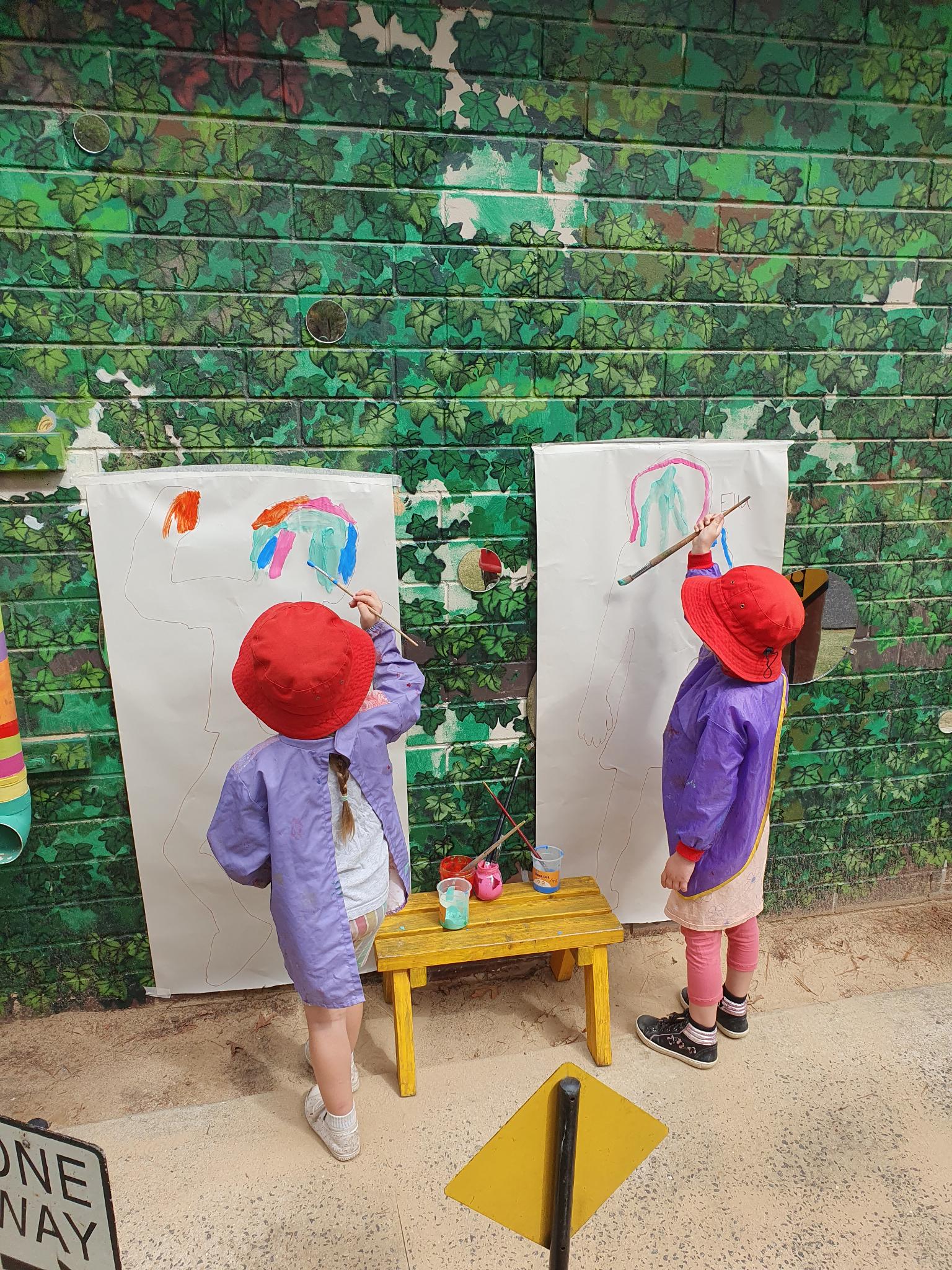
Confidence through routine
A steady preschool rhythm helps children feel secure, capable, and ready to learn.
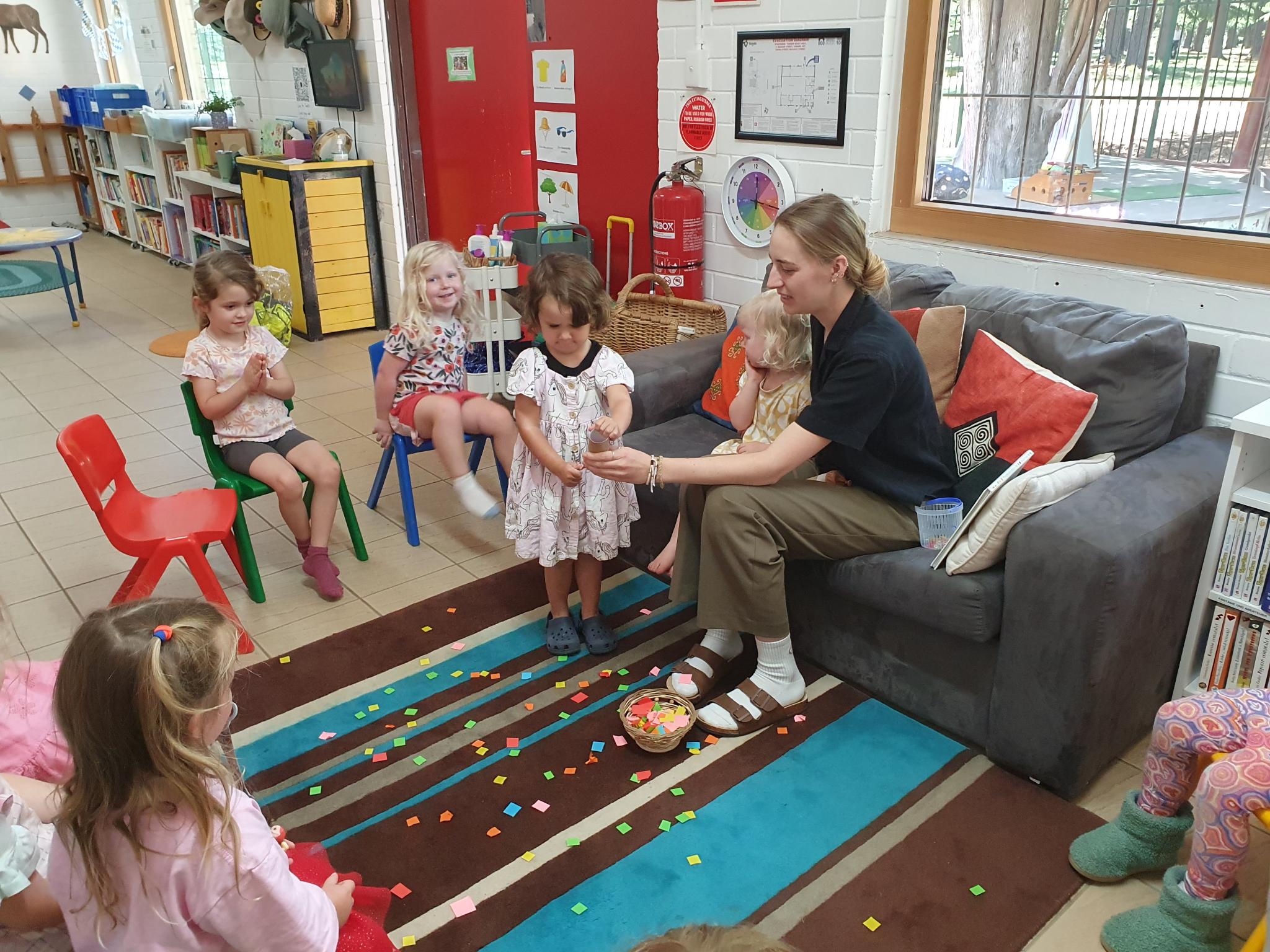
Deutsch im Alltag
Language in everyday life
German is part of meals, songs, jokes, play, and repeated rituals rather than something kept only for lessons.
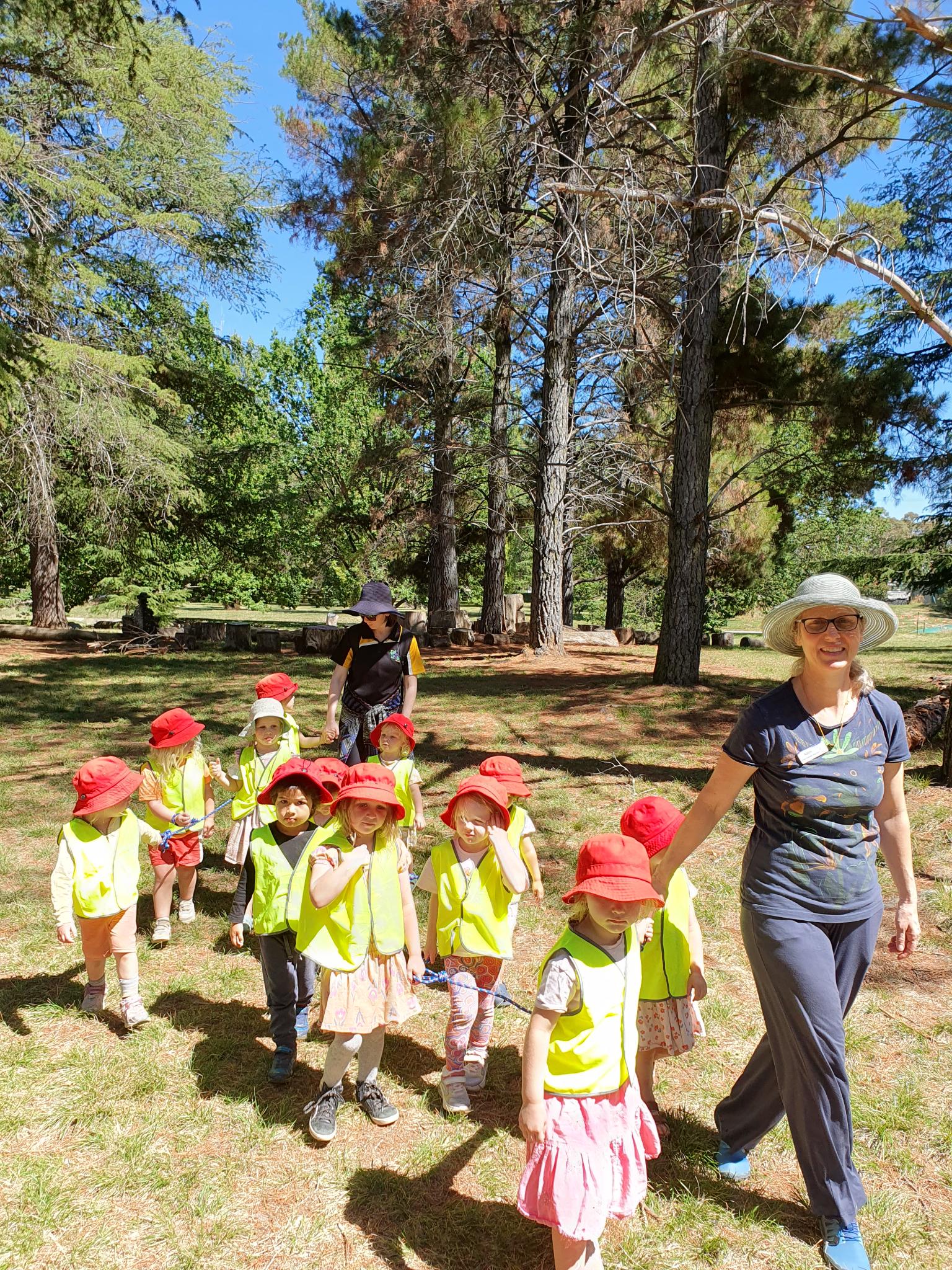
Gemeinschaft
Community, not anonymity
Families often come for a preschool decision and discover a wider network of people, traditions, and future pathways.
Draussen sein
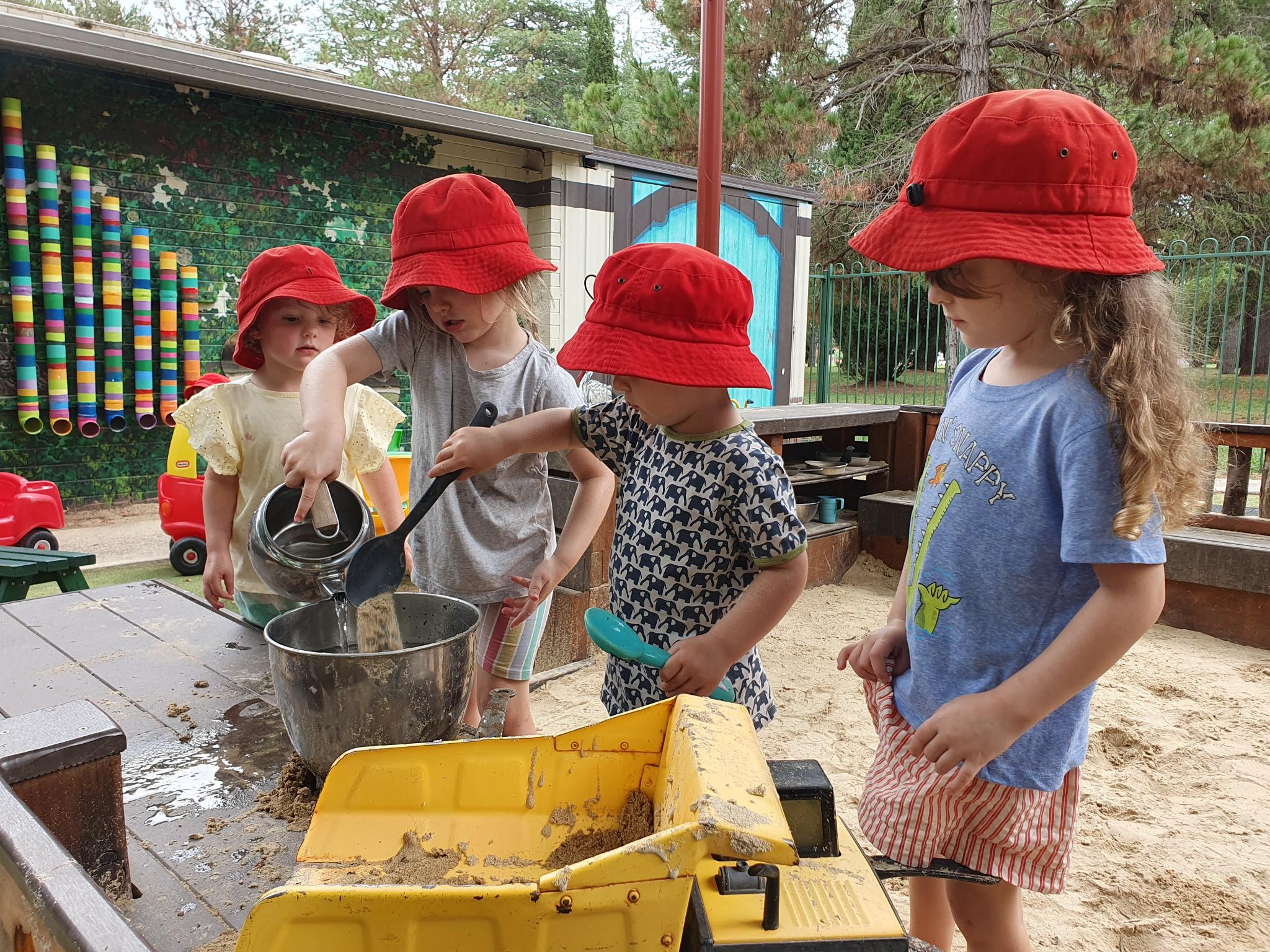
Nature play and healthy habits
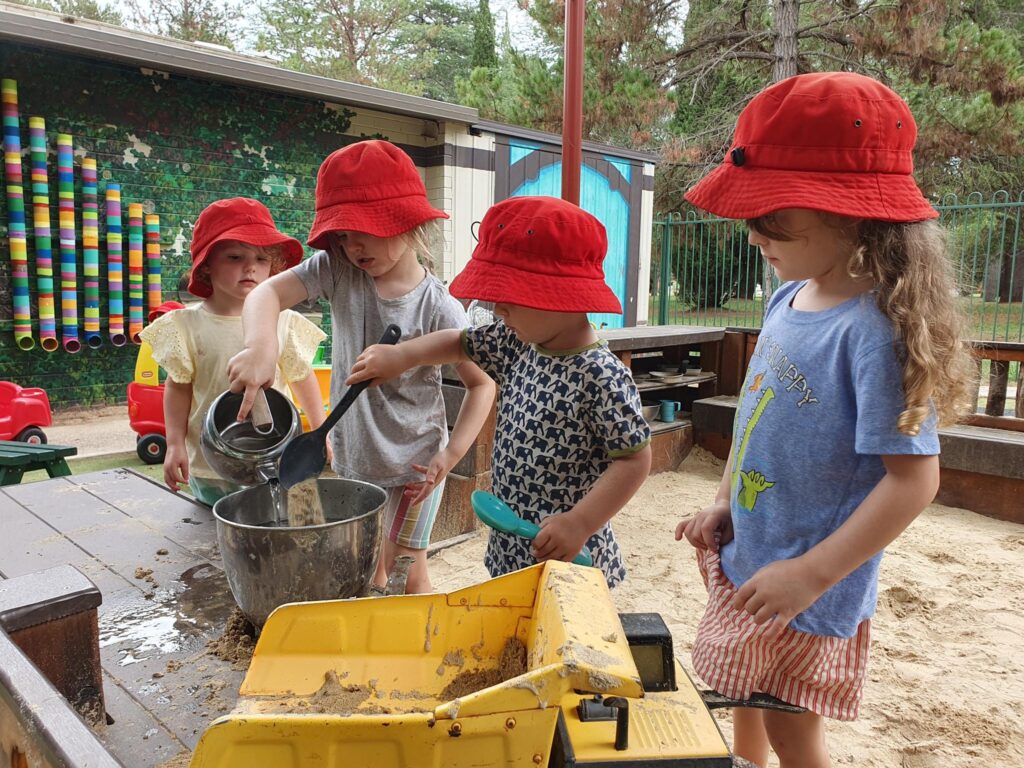
Outdoor play, composting, healthy lunches, and hands-on learning are treated as ordinary parts of the day.
Gut zu wissen
Many families arrive with the same questions
Children do not need perfect German — and families do not need to “already belong” before joining.
Does my child already need to speak German?
No. Children arrive with very different levels of German, including complete beginners.
Some already speak German confidently, while others are just recognising familiar songs, words and routines for the first time. Confidence grows gradually through everyday repetition and participation.
What if we mostly speak English at home?
Many GAP families are bilingual or mixed-language households. Some parents speak German fluently, while others are learning alongside their children or mainly use English at home.
Children still benefit from hearing German regularly in a consistent, playful and social environment.
What if my child is shy or takes time to settle in?
That’s very normal. Some children jump in quickly, while others need more time to observe, build trust and become familiar with the rhythm of the day.
Educators focus first on helping children feel safe, known and comfortable before expecting active participation.
Is GAP very structured or more play-based?
The day follows a familiar rhythm with shared routines like morning circle, meals and outdoor play, while still leaving plenty of room for creativity, movement and exploration.
That balance helps children feel secure without making the environment feel rigid.
How do children actually learn German here?
German is woven throughout the day through songs, stories, games, routines and everyday interaction. Familiar phrases and patterns repeat naturally over time.
Learning happens through participation and relationships, not formal classroom drilling.
Does my child need to be toilet trained?
Children are usually expected to be toilet trained before starting enrolled attendance at GAP. Families are still very welcome to enquire or join the waiting list earlier while working toward that stage.
If you are unsure about timing or readiness, we are always happy to talk things through.
What guides us
Our Philosophy
Children’s safety and well-being is at the centre of our thoughts, values and actions. We believe that in order to thrive, children need to feel safe, valued and supported. It is therefore our aim to create a caring and nurturing environment in which children will flourish and have fun whilst learning the German language.
Our priorities are:
- the child;
- the child’s friends and family;
- the child’s environment and possessions.
You will see these priorities reflected in the children’s lessons and activities at Playschool, in our school policies and procedures, and in the way our staff and volunteers interact with the children.
We are a non-toxic, environmentally friendly, sun smart, healthy-habits school, where children enjoy their activities and experience joy in learning.
Stimmen aus der Gap-Familie
What families often value most about GAP
Families join GAP for different reasons: language, school readiness, belonging or community. What many remember most is how the atmosphere felt once they arrived.
Second-generation German family
“German became a living part of her life in Canberra.”
Raising our daughter bilingual is a way to share an important part of who I am with her. What I love most is that she now doesn’t see German as just Papa’s language anymore, but as something joyful, dynamic and truly her own.
Family from Germany
“We have never experienced anything like it before.”
When we returned to Germany after our time in Canberra, we realised how special GAP had been for our family. The warmth, kindness and unique atmosphere around the playschool left a lasting impression on all of us.
Australian family
“It is the most caring place to be.”
After comparing several early childhood environments in Canberra, it became very clear to us that GAP stood out for its calm atmosphere, caring educators and genuinely positive spirit.
Second-generation Austrian family
“Our son absolutely thrives there.”
His German has improved out of sight, but even more importantly, we see him becoming calmer, more confident and genuinely happy in the environment the teachers have created.
GAP parent
“That is what my teacher does for me at GAP.”
One morning at another preschool, our son comforted a sad little boy by patting him on the back and offering him a toy car.
Later he explained: “That is what my teacher does for me at GAP if I feel sad.”
Non-German-speaking family
“He randomly started counting in German while playing.”
We speak no German at home, so moments like that completely surprised us. Despite some difficult drop-offs in the beginning, our son talks about GAP constantly and clearly feels deeply connected to it.
Lernt uns Kennen
The best way to understand GAP is to experience it in person
A visit helps families meet educators, experience the atmosphere, and picture what the rhythm could feel like for their child.
You do not need perfect German — or all the answers already figured out — before getting in touch.