Playgroups
German language, play and connection
A welcoming place for young children and families to play, sing and build community.
Einfach Ankommen
A softer way into German language and community life
Playgroups are often the easiest first step into Spielwelt. They create a relaxed space where children can hear German through songs, stories, play and familiar routines, while parents gradually build friendships and connection around them.
For some families, Playgroups become the beginning of a much longer journey through GAP, Pfadfinder, events and the wider Spielwelt community. For others, they simply remain a warm weekly rhythm during the early years of childhood.
What makes Playgroups different
- Low-pressure and beginner-friendly
- Warm, social and community-led
- Welcoming to mixed-language families
- Focused on connection, familiarity and belonging
- Built around play, routine and shared experiences
Ages
0-8 years
Entry Point
Begin gently through play
Language
No perfect German required
Atmosphere
Warm, welcoming & social
Rythms
Songs, stories & free play
Connection
Friendships that often continue for years
Spiel und Spass
A warm first step into German language and community
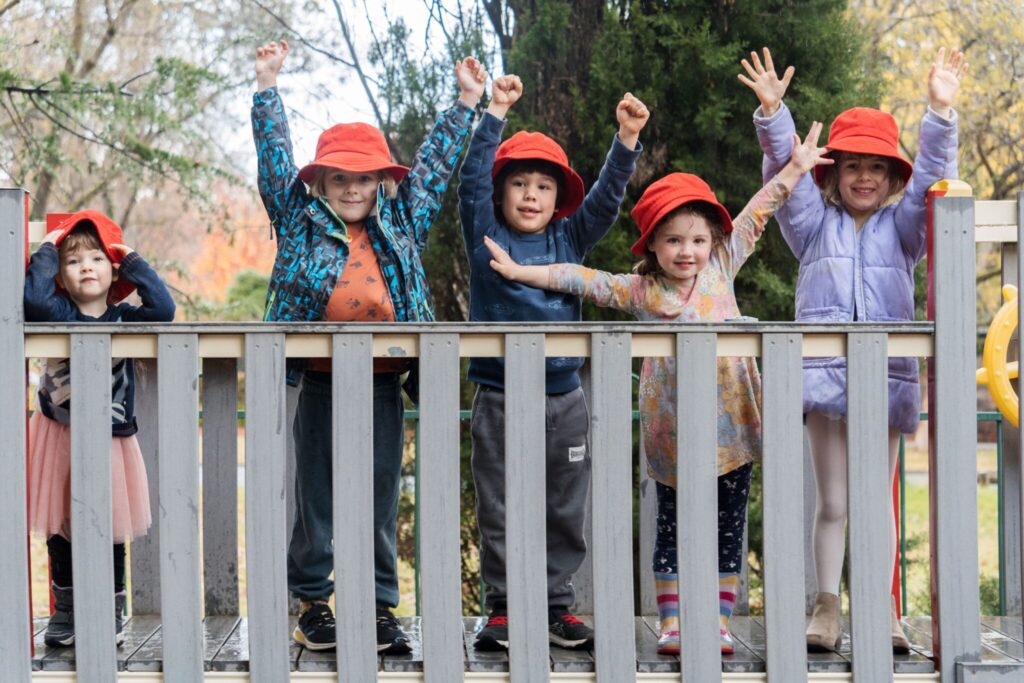
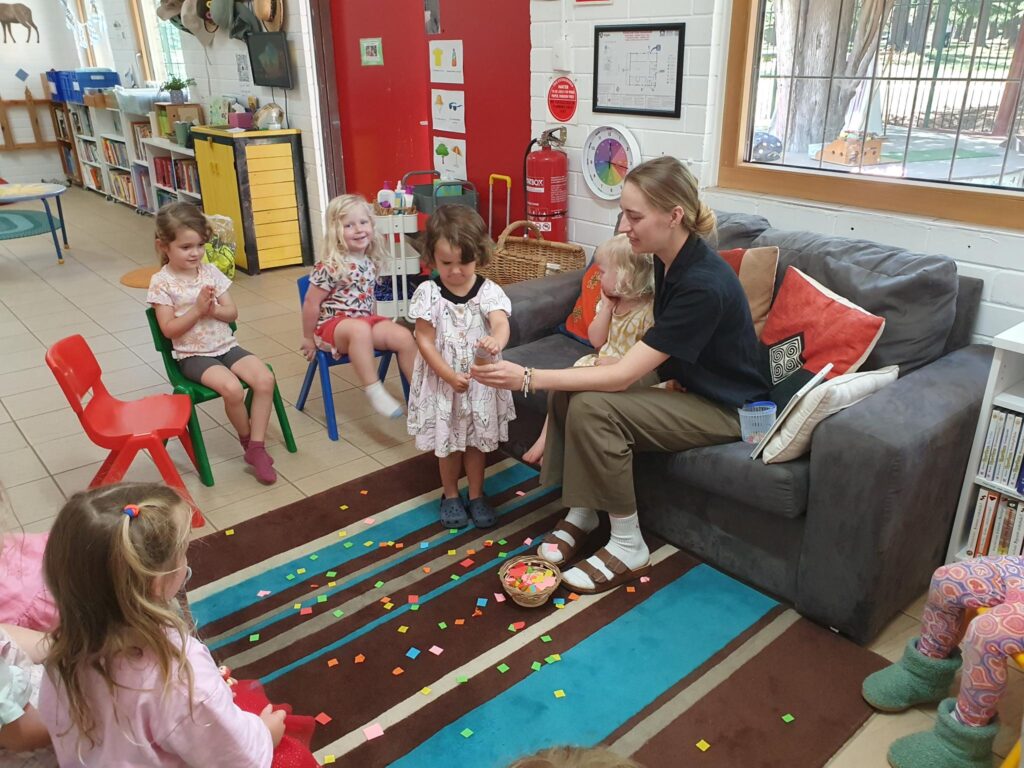
Spiel und Spaß is the gentlest entry point into Spielwelt: a relaxed weekly playgroup where young children and their parents can play, sing, explore and slowly build familiarity with German language and community life.
For many families, it becomes more than an activity. It becomes the first place where Canberra starts to feel socially connected, familiar and shared.
Who it suits
- Families with children aged 0–5
- Parents looking for a warm, low-pressure environment
- German-speaking, bilingual and mixed-language households
- Families new to Canberra or new to Spielwelt
What it offers
A relaxed and welcoming space shaped by songs, stories, free play and conversation. Children hear German naturally through repetition and routine, while parents build friendships and community alongside them.
Schlaumäuse
Keeping language and friendships growing through the early school years
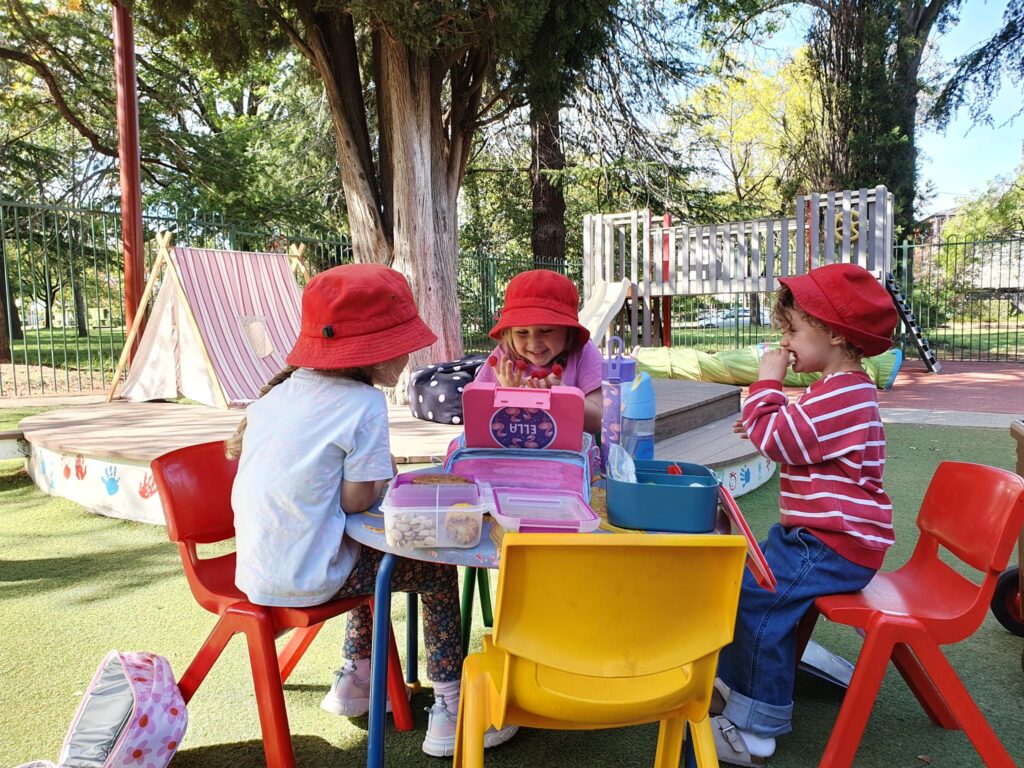
Schlaumäuse is for children who are growing beyond early playgroup, but still want a familiar German-speaking environment shaped by friendship, activity and shared experiences.
It offers a bridge between the softer early-years world and the growing independence of school-age children – helping German remain part of everyday social life as children become more confident, active and curious.
Who it suits
- Children in the early primary school years
- Families wanting to maintain German beyond preschool age
- Children ready for more independence and group activity
- Families considering Pfadfinder or longer-term involvement in Spielwelt
What it offers
A playful but more independent group environment with games, movement, activities and social connection. German continues to develop naturally through interaction, shared routines and friendships that often carry into later Spielwelt programs.
GAP ALUMNI
Structured early learning in a warm German-speaking setting
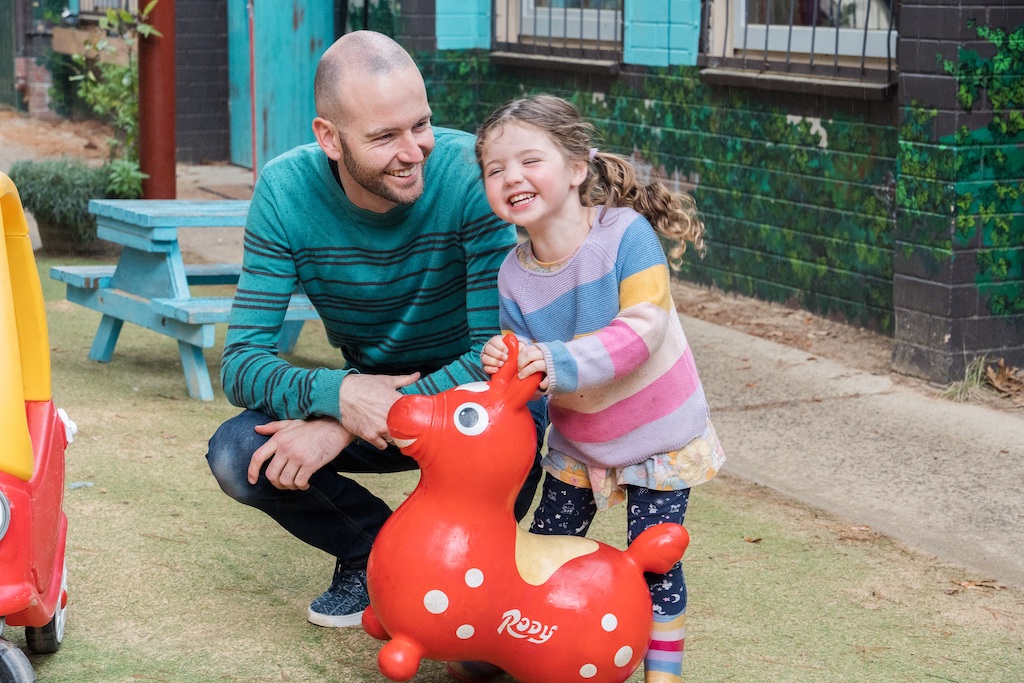
GAP Alumni is a lighter, family-led layer for parents and children who want to keep friendships and community connections going after regular early-years programs have finished.
Some families meet for playdates, some organise outings through WhatsApp, and some simply stay connected through the wider rhythm of Spielwelt events and community life.
Who it suits
- Families who previously attended GAP or Playgroups
- Children who already know each other and want to stay connected
- Parents looking for informal social continuity
- Families who still feel part of the wider Spielwelt community
What it offers
An informal network built around existing friendships, shared history and occasional meetups. Rather than a structured weekly program, GAP Alumni helps families keep relationships alive as children grow into new stages of life.
GEMEINSAM GROSS WERDEN
Many families stay connected as their children grow
For some families, Playgroups are just the beginning. Children grow into GAP Playschool, Schlaumäuse, Pfadfinder and community events over time, while parents often build friendships and routines that continue for years. Spielwelt works best when it feels less like isolated programs and more like one connected family community with different ways to belong at different stages of childhood.
3-5 years
GAP Playschool
Structured German-language early learning for children aged 3–5, built around routine, confidence and belonging.
6-17+ years
Pfadfinder
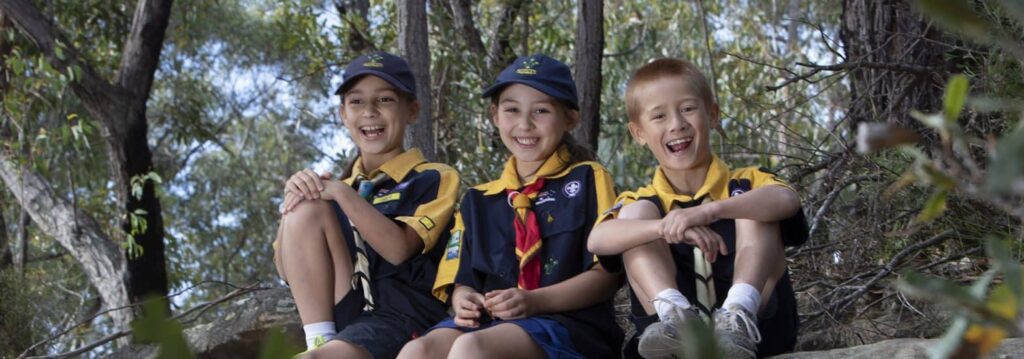
German-speaking Scouts for children and teenagers who are ready for adventure, independence and stronger group identity.

Families & Community
Events & Connection
Lantern walks, festivals, story nights and shared traditions help families stay connected beyond weekly programs.
GUT ZU WISSEN
Helpful things to know before coming along
You do not need perfect German or previous Spielwelt experience to join Playgroups. Most families simply begin by visiting once, meeting people and seeing whether the atmosphere feels right for their child and family. Many families arrive not knowing anyone. That is completely normal — and often exactly how long-term friendships begin.
Location
Turner Scout Hall in Canberra, with indoor and outdoor space for play, movement and shared activities.
What to bring
A hat, water bottle, morning tea and comfortable clothes for indoor and outdoor play.
Language
German-speaking, bilingual and mixed-language families are all welcome. Children hear German naturally through songs, play and repeated routines.
First Visit
Please get in touch before your first session so we can help guide you toward the group that fits best.
DEUTSCH ZUHAUSE
Helpful ideas for growing up with German
Whether you’re new to bilingual parenting or looking for fresh ideas at home, these guides and activities help keep German language and play part of everyday family life.
-
Other Language Programs for Children in Canberra
Canberra is home to many language communities. Explore playgroups, community language schools and bilingual education options for children and families beyond German.
-
How to Start a Language Playgroup
A language playgroup doesn’t need to start big. From finding your first families and choosing a venue to creating routines, building a library and keeping the language alive, here are some practical lessons from Spielwelt’s experience.
-
How can I help my child to learn German?
Help your child build confidence and connection with German through everyday exposure, playful routines, books, songs, conversations, and positive experiences — even if German is not the main language spoken at home.
KOMMT EINFACH VORBEI
The easiest way to get to know us is to visit
Whether you are completely new to Canberra or already connected to German language and culture, Playgroups are designed to be an easy and welcoming first step into the wider Spielwelt community. Many families arrive not knowing anyone. A few sessions later, children recognise the songs, parents recognise familiar faces, and the weekly rhythm begins to feel like part of everyday life.